The Isle of Man offers a favourable and well-regulated environment for establishing trusts. Outlined below is a brief guide to Isle of Man trusts and the services provided by Eximia’s experienced and qualified team.
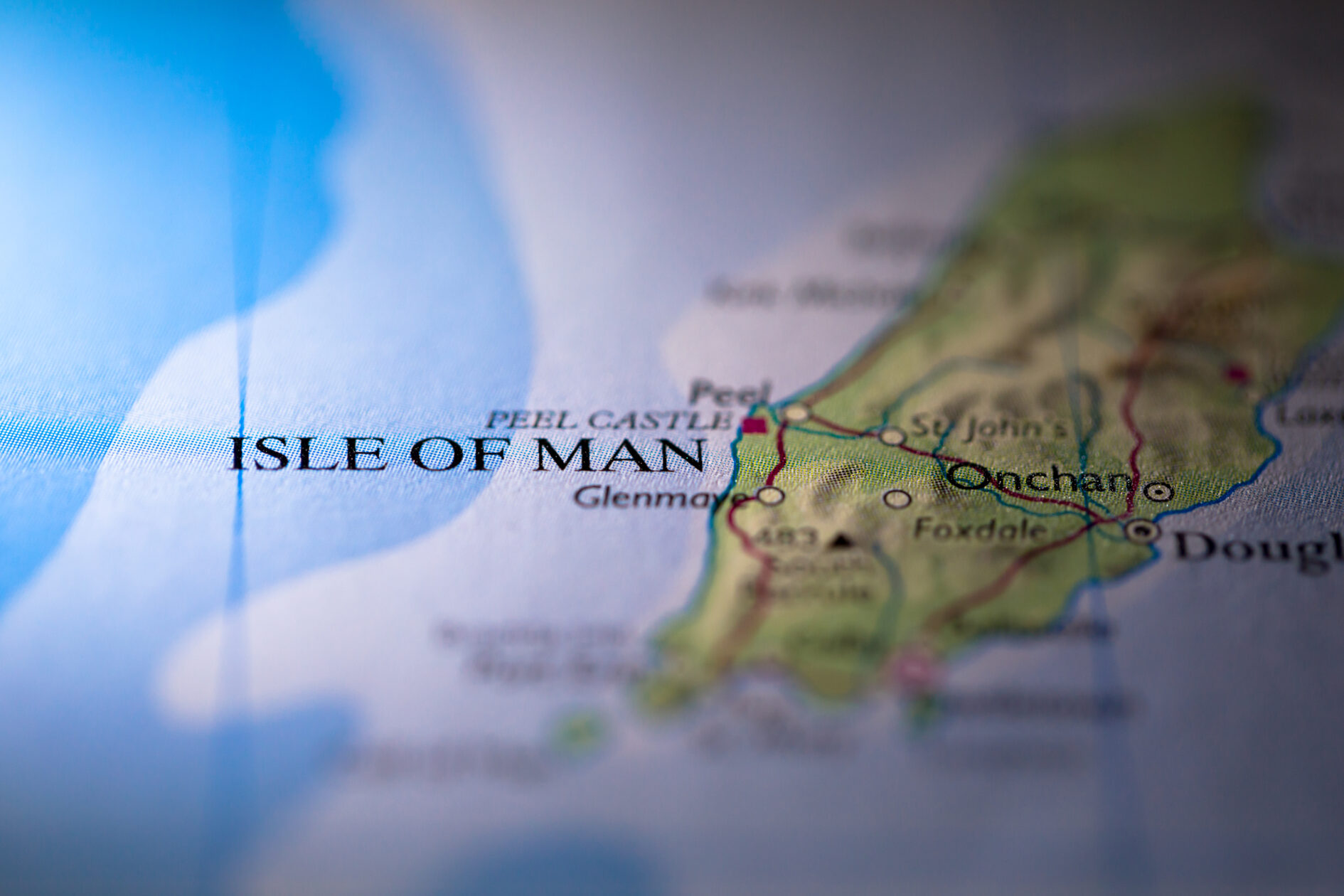
The Isle of Man is a self-governing British Crown Dependency located in the Irish Sea, between the United Kingdom and Ireland. The Island has established itself as a reputable and well-regulated international financial centre. With an experienced and professional financial services sector and mature legislative framework, the Isle of Man is an excellent jurisdiction for establishing your trust.
What is a trust?
A trust is a legal arrangement where the ownership of assets, such as property, shares or cash, are transferred from a ‘settlor’ to be held by one party (the trustee) for the benefit of another party (the beneficiary). The assets are held and managed under the terms of a Trust Deed. Trust law in the Isle of Man has its roots in English common law principles, however it incorporates modern protections and flexibility. Trusts are governed by the trustee Act 1960 (as amended) and there are different types of trusts available which provide differing levels of flexibility. Discretionary Trusts are the most commonly used type of trust, discretionary trusts offer flexibility and can be tailored to meet specific requirements. Beneficiaries can be named from the outset and may be revised in line with the terms of the trust deed.
The trustees have discretionary powers to decide on the timing and amounts of distributions and beneficiaries are not automatically entitled to the trust income or assets. The settlor can provide a letter of wishes as guidance to how they would like the trustee to exercise its discretion which is persuasive but not binding upon the trustees. The Isle of Man allows for the establishment of purpose trusts, which are set up to fulfil a particular objective or purpose, rather than for the benefit of specific individuals. Private Trust Companies (PTCs) are entities specifically formed to act as trustees for a single trust or a group of related trusts. They provide a more tailored and personalised approach to trust administration for high-net-worth individuals and families.
Why establish a trust in the Isle of Man?
Preservation of wealth – Settling assets in a trust can prevent the ownership of assets being diluted, whilst allowing individuals to continue to benefit from the assets. There is no restriction of the accumulation of income and trusts established in the Isle of Man are not subject to capital gains tax, allowing for tax-efficient asset growth and wealth preservation.
Asset protection – Trusts can safeguard family wealth by protecting assets from creditors or potential third party claims. The Isle of Man offers a secure and stable political environment in which to hold assets.
Succession planning – Trusts enable efficient and structured transfer of assets to future generations, ensuring continuity and minimising potential disputes. Assets can be passed to successive generations at a specified time, such as a certain age or life event. Isle of Man trusts can be of unlimited duration, offering a stable and long term planning solution.
Confidentiality – Trusts offer a level of confidentiality as they do not need to be registered (unless they hold Isle of Man real estate or are charitable), providing a means to keep family financial affairs private. Trusts established in the Isle of Man are not required to have accounts audited or to file accounts with any public body.
Taxation – Income taxes are not charged to either the trustees or the beneficiaries of an Isle of Man trust managed within the Isle of Man, provided that the beneficiaries are resident outside of the Isle of Man and income arises from sources outside the Isle of Man. There is no capital gains tax or inheritance tax and on settlement of assets into a trust those assets cease to form part of the estate of the Settlor.
The role of a trustee
A trustee is the legal owner of the trust assets and holds them in a fiduciary capacity for the benefit of the beneficiaries. Trustees have a duty to act in the best interests of the beneficiaries and manage the trust assets prudently. They are responsible for administering the trust, making investment decisions, distributing income or capital, and ensuring compliance with legal and regulatory requirements. Trustees can be individuals or corporate entities and are often chosen for their expertise in managing trusts and their impartiality. There are many benefits to appointing a professional trustee such as Eximia Trustees limited to manage and administrer your Trust.
Work with Eximia
Our team are professionally qualified and have a wealth of experience, making us well placed to support and take responsibility for different roles, including acting as Trustee, Protector and providing full trust administration. From initial planning and advice to the day-to-day administration of the Trust and any queries which arise, our responsive team can support and achieve your goals. If you require further information regarding trust formation, administration or the provision of professional Trustee services for an Isle of Man Trust, please feel free to get in touch with the team at info@eximia-global.com.
This blog is intended for informational purposes only and should not be construed as legal or financial advice.